
The opulent world of Dubai offers a plethora of luxurious experiences, and handmade chocolate bars are among its most delectable treats.
Rich, smooth, and indulgent, these chocolate bars epitomize the essence of gourmet confectionery.
I first encountered these exquisite creations during a lavish culinary tour in Dubai, where local chocolatiers craft them with precision and artistry.
With a unique flavor profile combining the finest cocoa with exotic spices and nuts, Dubai chocolate bars are a testament to the region’s dedication to culinary excellence.
Perfect for gifting or personal indulgence, these chocolate bars promise an unforgettable taste experience with every bite.
The History and Cultural Significance
• Handmade Dubai Chocolate traces its origins to the early 2000s, where it was originally created by visionary chocolatiers combining traditional techniques with modern flair.
• The dish evolved over decades as Dubai imported high-quality cocoa beans and experimented with local flavors, eventually becoming the beloved version we know today.
• In Middle Eastern culture, this dish traditionally appears at festive celebrations, symbolizing hospitality and luxury.
• While many variations exist across different regions, the authentic version maintains the use of high-quality cocoa and unique local ingredients that set it apart from imitations.
Recipe Overview
Nutritional Information (per serving)
Essential Equipment Guide
Double Boiler: A double boiler is essential for gently melting chocolate without scorching it. An alternative is a heatproof bowl set over a pot of simmering water. Look for a double boiler with a snug fit to prevent steam from escaping.
Chocolate Mold: Use a high-quality silicone chocolate mold to achieve perfectly shaped bars. Alternatives include metal molds or even ice cube trays. Ensure the mold is food-grade and has intricate designs for a professional finish.
Thermometer: A digital candy thermometer ensures precise temperature control during the chocolate tempering process. Alternatives include infrared thermometers, but digital ones provide direct contact readings. Select one with a clear digital readout and a wide temperature range.
Ingredients
For the Base
|
|
| Amount | Ingredient | Notes |
|---|---|---|
| 300 grams | dark chocolate | chopped into small pieces |
| 2 tablespoons | cocoa butter | adds smoothness |
Flavorings
| Amount | Ingredient | Notes |
|---|---|---|
| 1 teaspoon | ground cardamom | for warmth and spice |
| 1 teaspoon | vanilla extract | enhances sweetness |
Add-ins
| Amount | Ingredient | Notes |
|---|---|---|
| 1/4 cup | pistachios | chopped, for added crunch |
| 1/4 cup | dried rose petals | for aroma and decoration |
Preparation Methods
Tempering Chocolate: Tempering involves carefully heating and cooling chocolate to stabilize its cocoa butter crystals. This is crucial for a glossy finish and snap. Use a thermometer to maintain temperatures between 27-32°C.
Incorporating Flavorings: Properly incorporating flavorings ensures an even distribution of taste. Gradually blend spices and extracts into the melted chocolate, stirring continuously for a well-balanced flavor.
Setting the Chocolate: Allowing chocolate to cool and set at room temperature prevents blooming. Place molds in a cool, dry place and avoid refrigeration until fully set to maintain texture and appearance.
Step 1: Prepare Ingredients
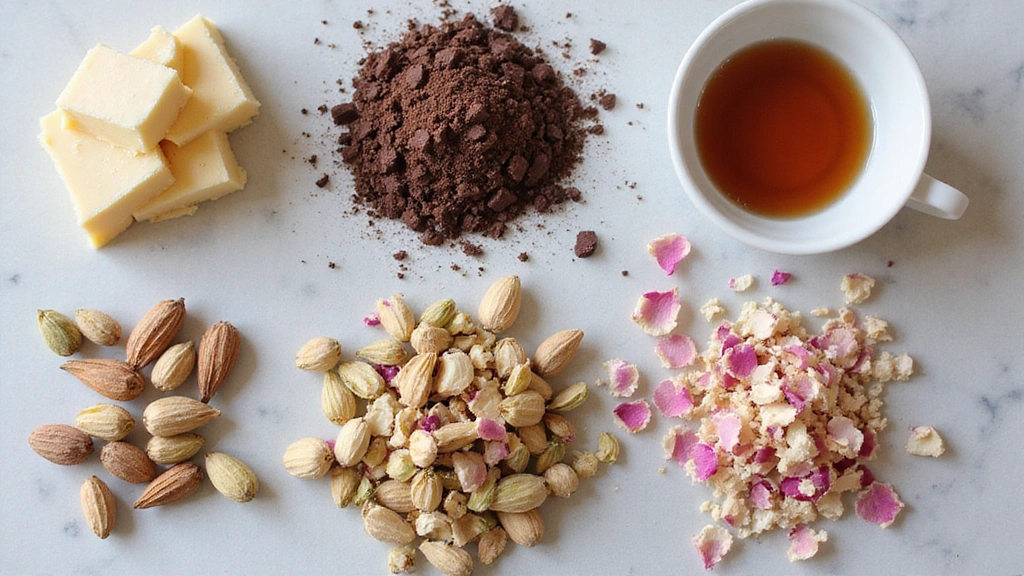
Chop the dark chocolate into small, even pieces.
Measure out cocoa butter and flavorings.
Ensure pistachios and rose petals are ready for use.
Organize all ingredients for easy access during cooking.
Step 2: Melt Chocolate
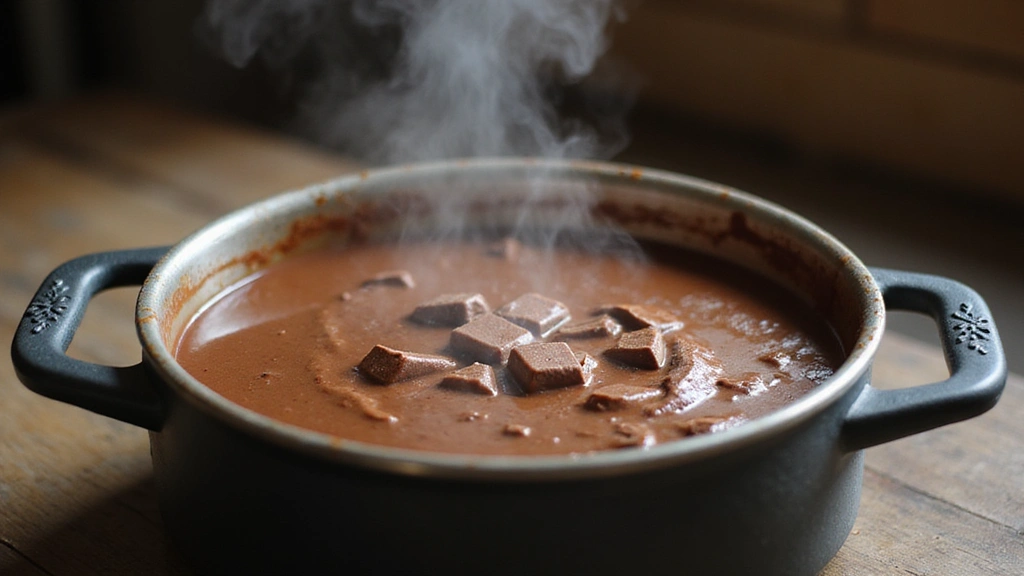
Set up a double boiler on low heat.
Add chopped chocolate and cocoa butter to the top pot.
Stir constantly until the mixture is smooth and fully melted.
Ensure that steam does not enter the chocolate to avoid seizing.
Step 3: Temper Chocolate
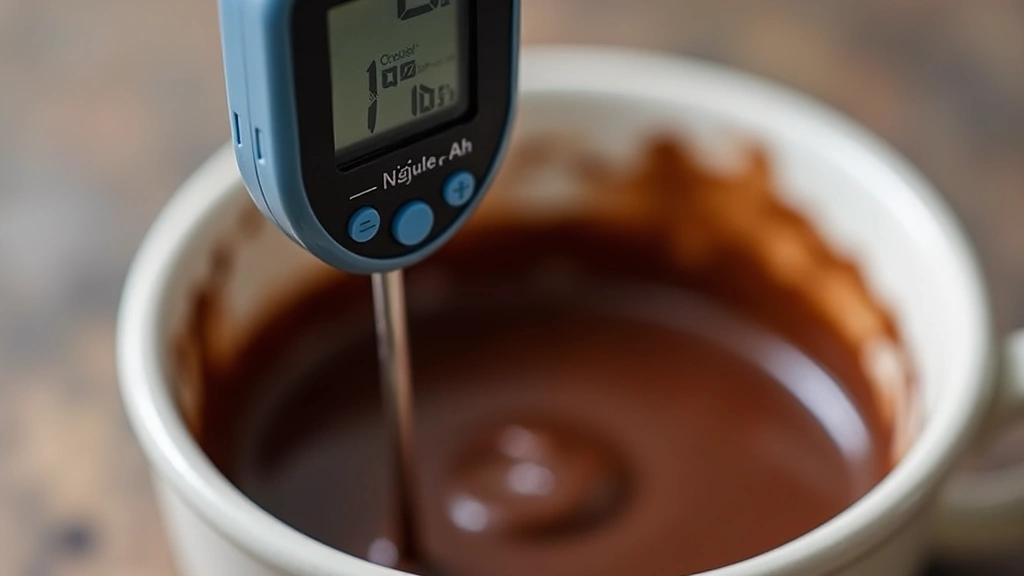
Remove the melted chocolate from heat.
Allow it to cool slightly before adding flavorings.
Use a thermometer to check the temperature, maintaining between 27-32°C.
Adjust heat as needed to achieve perfect tempering.
Step 4: Add Flavorings
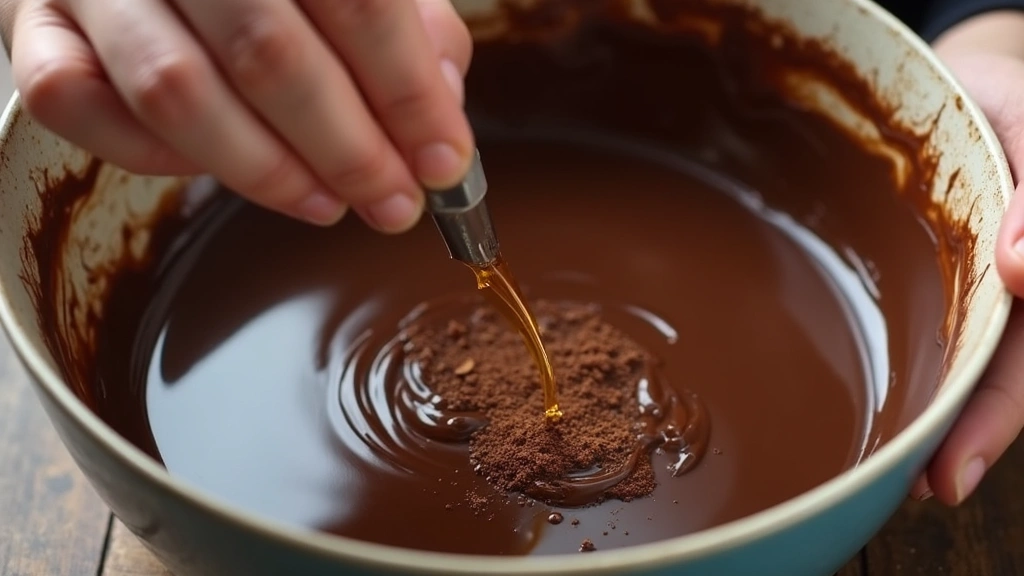
Stir in ground cardamom and vanilla extract.
Ensure even distribution of flavorings throughout the chocolate.
Taste the mixture for balanced flavor, adjusting as needed.
Continue stirring to integrate all elements smoothly.
Step 5: Prepare the Mold
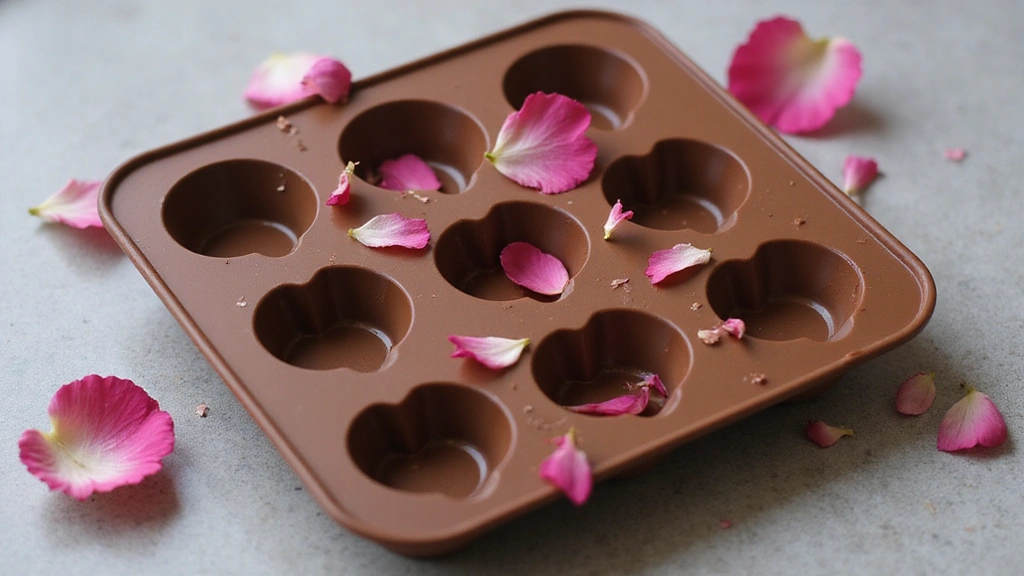
Select a clean, dry chocolate mold.
Place mold on a flat surface to ensure even setting.
Sprinkle a few rose petals in each cavity for decoration.
Ensure petals are evenly distributed and not clumped.
Step 6: Fill the Mold
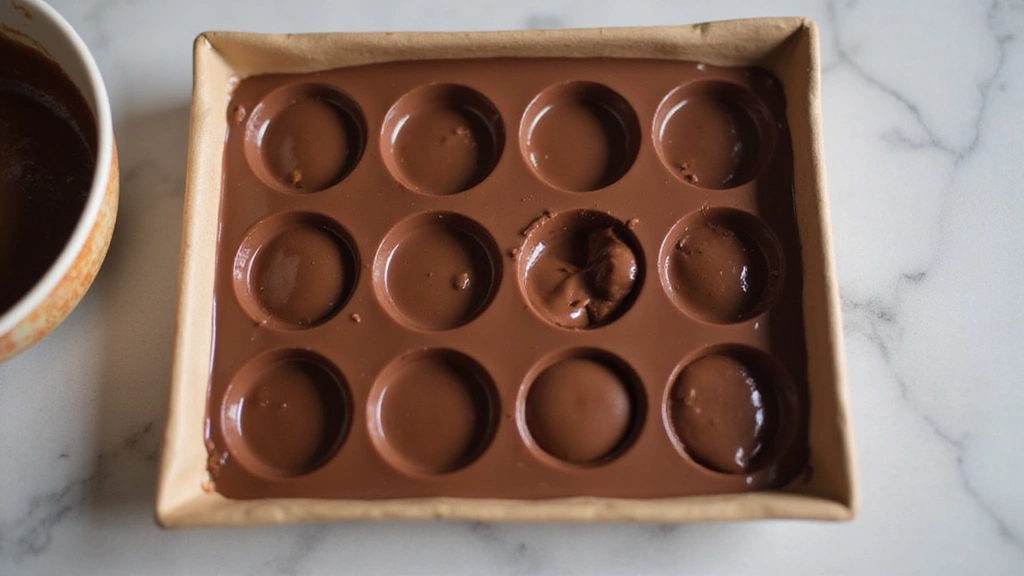
Carefully pour the tempered chocolate into the mold.
Use a spatula to smooth the surface and remove excess.
Tap the mold gently to remove air bubbles.
Ensure all cavities are filled evenly.
Step 7: Add Toppings
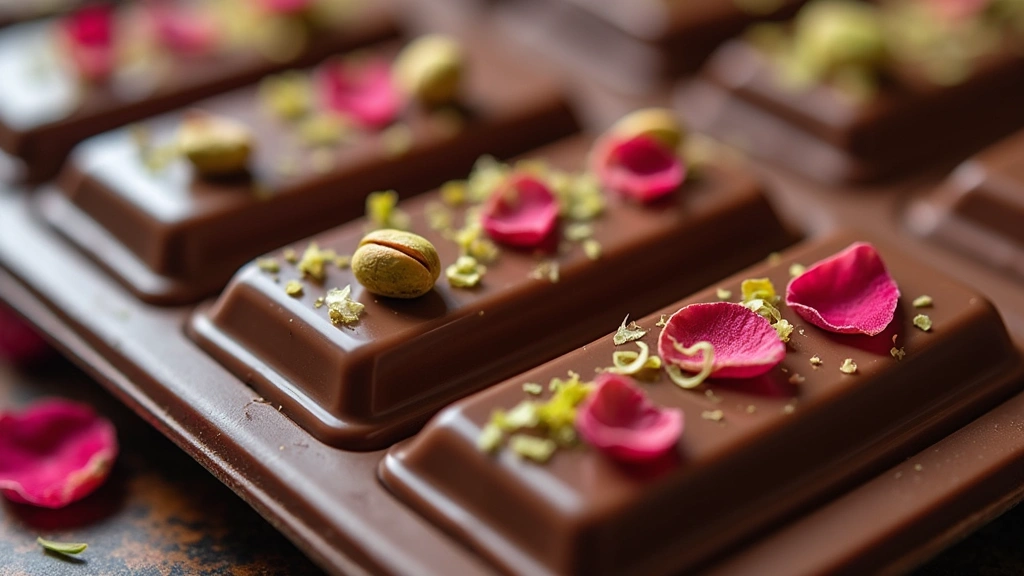
Sprinkle chopped pistachios over the chocolate.
Press nuts gently into the surface for adherence.
Add additional rose petals for visual appeal.
Ensure toppings are evenly distributed across the surface.
Step 8: Set and Cool
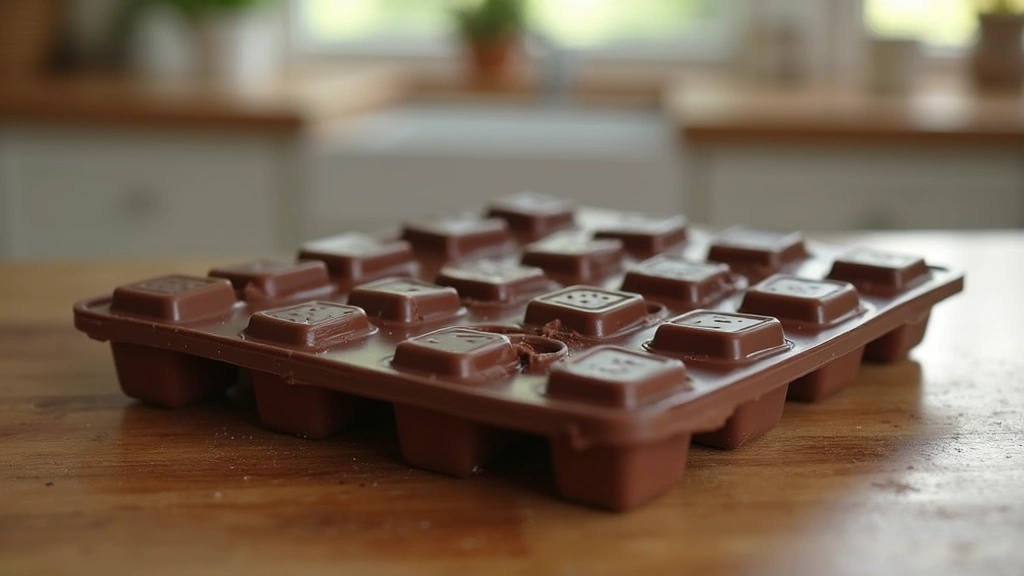
Place the filled mold in a cool, dry area.
Allow chocolate to set at room temperature for 2-3 hours.
Check for firmness and a glossy finish.
Avoid refrigeration to prevent dulling and condensation.
Critical Timing and Temperature Guide
Melting Chocolate: Melt at 45-50°C, ensuring chocolate is smooth. Avoid overheating to prevent seizing.
Tempering: Maintain tempering temperature between 27-32°C. Watch for a glossy finish and avoid cooling too quickly.
Setting: Allow at least 2 hours at room temperature. Avoid refrigeration to maintain texture and prevent condensation.
Pro Tips for Handmade Dubai Chocolate
• Ingredient Selection: Use high-quality dark chocolate with at least 70% cocoa for rich flavor and smooth texture.
• Preparation Secret: Toast pistachios lightly to enhance their nutty flavor before adding them to the chocolate.
• Temperature Management: Ensure all ingredients are at room temperature before starting to avoid shocking the chocolate.
• Texture Enhancement: Stir chocolate continuously during melting and tempering to achieve the ideal smoothness and sheen.
• Flavor Layering: Infuse cardamom in cocoa butter before adding to chocolate for a deeper, more integrated spice note.
• Make-Ahead Strategies: Prepare chocolate bars a day in advance and store in an airtight container to enhance flavor.
• Restaurant-Quality Finishing Touches: Dust finished bars with edible gold leaf for a luxurious touch.
• Equipment Optimization: Use a microplane grater for finely chopping chocolate to speed up the melting process.
Troubleshooting Common Issues
• Chocolate Seizing: Caused by moisture entering chocolate, resulting in graininess. Avoid by ensuring all tools are dry and using a double boiler properly.
• Blooming: Appears as white streaks on chocolate due to improper tempering. Avoid by maintaining consistent temperature during tempering.
• Uneven Texture: Caused by not stirring continuously or uneven cooling. Ensure constant stirring and uniform cooling conditions.
• Flavor Imbalance: Occurs when spices are not evenly distributed. Mix thoroughly and taste during preparation to adjust.
• Toppings Falling Off: Caused by not pressing toppings into chocolate. Gently press down on toppings immediately after adding.
• Dull Finish: Results from incorrect tempering or refrigeration. Maintain correct temperature and avoid refrigeration until fully set.
Variations and Regional Differences
• Persian Style: Incorporates saffron and almonds instead of cardamom and pistachios, highlighting Persian flavor profiles.
• Lebanese Variation: Uses orange blossom water and pine nuts for a fragrant twist on traditional flavors.
• Moroccan Influence: Includes cinnamon and raisins, drawing from Moroccan spice traditions for a sweeter taste.
• Turkish Delight Chocolate: Features pieces of Turkish delight and pistachios, combining chocolate with classic Turkish sweets.
Food Science Behind the Recipe
• Cocoa Butter Crystallization: Understanding the crystallization of cocoa butter is essential for achieving the right texture and sheen in tempered chocolate.
• Maillard Reaction: The slight toasting of pistachios triggers this reaction, enhancing their flavor and depth.
• Emulsification: Properly incorporating cocoa butter ensures a smooth emulsion, crucial for a creamy mouthfeel and stability.
Frequently Asked Questions
What's the most common mistake people make when preparing handmade Dubai chocolate bars? The most common mistake is improper tempering, resulting in a dull finish and poor texture. Using a thermometer and maintaining consistent temperatures is crucial.
Can I use milk chocolate instead of dark chocolate? Yes, but it will alter the flavor profile significantly. Milk chocolate is sweeter and less intense, which may not pair as well with the spices.
How can I store the chocolate bars to keep them fresh? Store in an airtight container in a cool, dry place away from direct sunlight to maintain freshness and prevent blooming.
Why did my chocolate turn white after setting? This is known as blooming, often caused by improper tempering or rapid cooling. Ensure correct tempering and avoid refrigeration.
Can I add other nuts or dried fruits? Absolutely, feel free to experiment with different nuts and dried fruits to customize the flavor to your liking.
Is it necessary to use a double boiler? While not absolutely necessary, a double boiler helps prevent scorching, making it easier to melt chocolate evenly.
How do I prevent air bubbles in the chocolate? Gently tap the mold on a flat surface after filling to release trapped air bubbles for a smooth finish.
Serving and Presentation Guide
• Traditional Presentation: Serve the chocolate bars unwrapped on a decorative platter, with a few rose petals sprinkled around for an authentic touch.
• Gift Presentation: Wrap individual bars in gold foil and place them in a decorative box with a ribbon for an elegant gifting option.
• Modern Display: Arrange chocolate bars on a slate board with a mix of whole spices and nuts for a contemporary and rustic presentation.
• Event Style: Create a chocolate tasting station with small samples of each variation, accompanied by tasting notes and complementary beverages.
Conclusion
Indulging in handmade Dubai chocolate bars is an experience that captures the luxurious and diverse flavors of the region.
By following these detailed steps and insights, you can recreate this gourmet treat in your own kitchen.
Whether enjoyed personally or shared as a thoughtful gift, these chocolate bars are sure to impress and delight.
Embrace the art of chocolate-making and discover the joy of crafting something truly special.

Wow, these handmade chocolate bars sound amazing! I can’t wait to try making my own at home. Do you have a favorite flavor combination that you recommend?
I love how luxurious these chocolate bars sound! Makes me think of the time I tried to make chocolate-covered strawberries and ended up with a chocolate explosion in my kitchen. At least my dog loved it! Haha!
Did you know that chocolate has been around for over 3,000 years? It’s true! I can totally see why, especially with tasty treats like these bars.